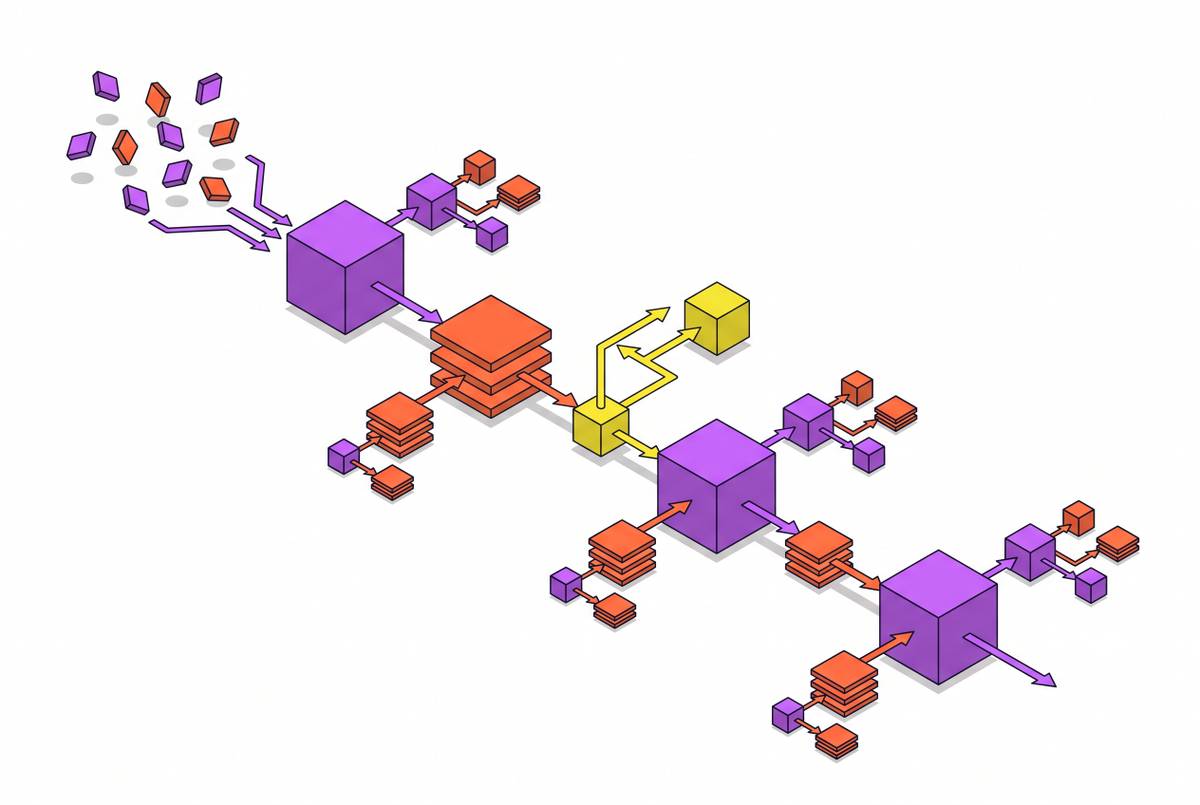
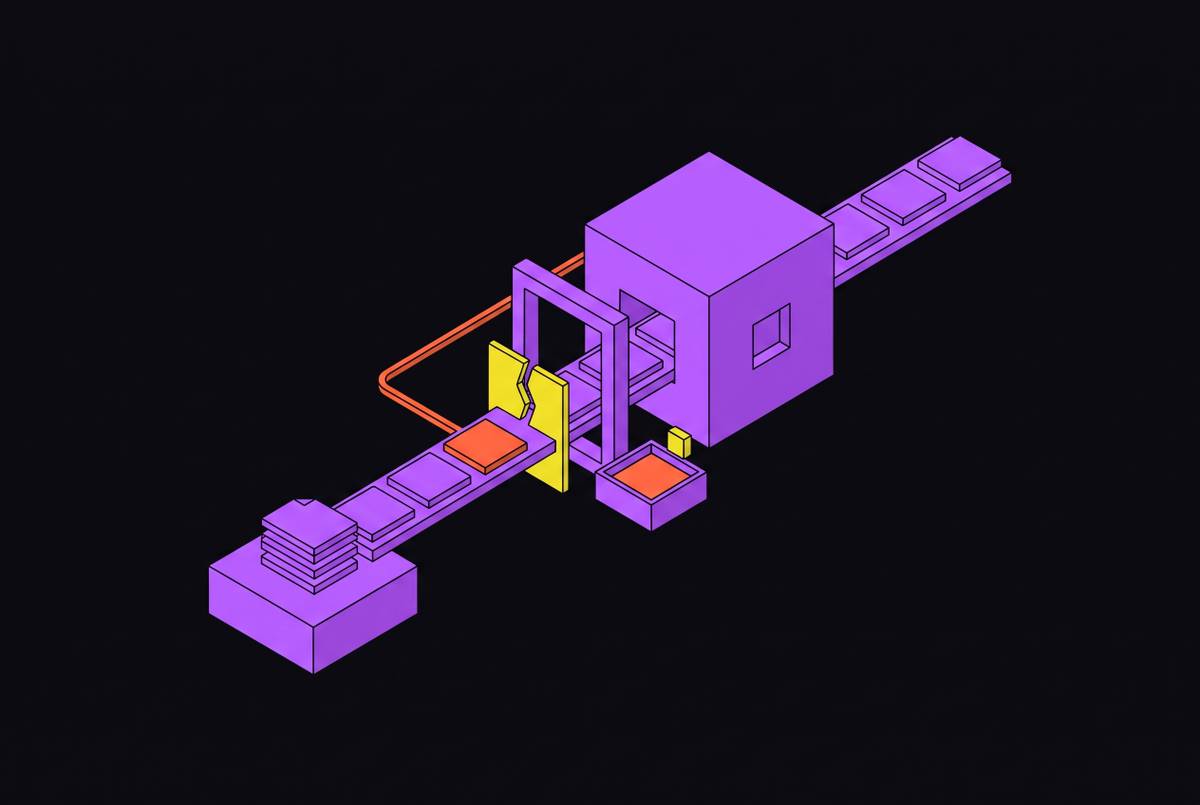
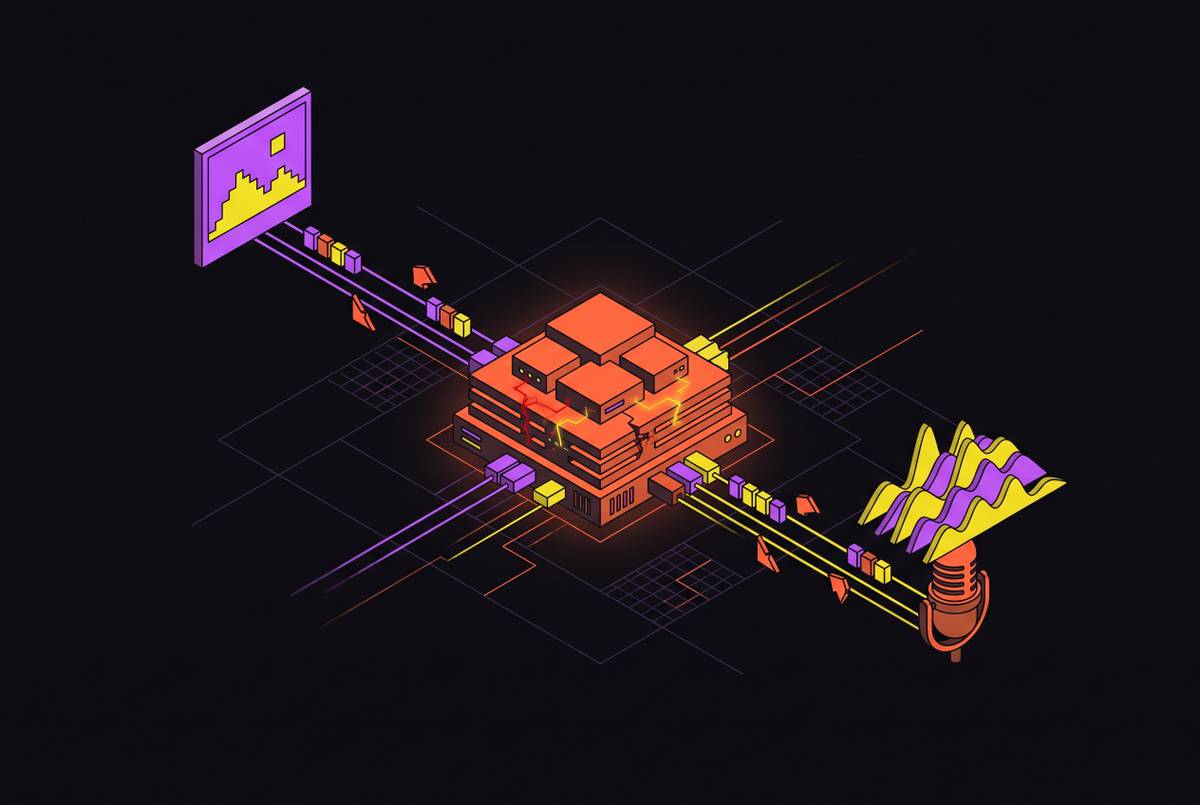
Third-Party Data Source Threat Coverage in Enterprise Prompt Injection Detection Tools
Most enterprise injection detectors miss threats hidden in RAG corpora and tool outputs.
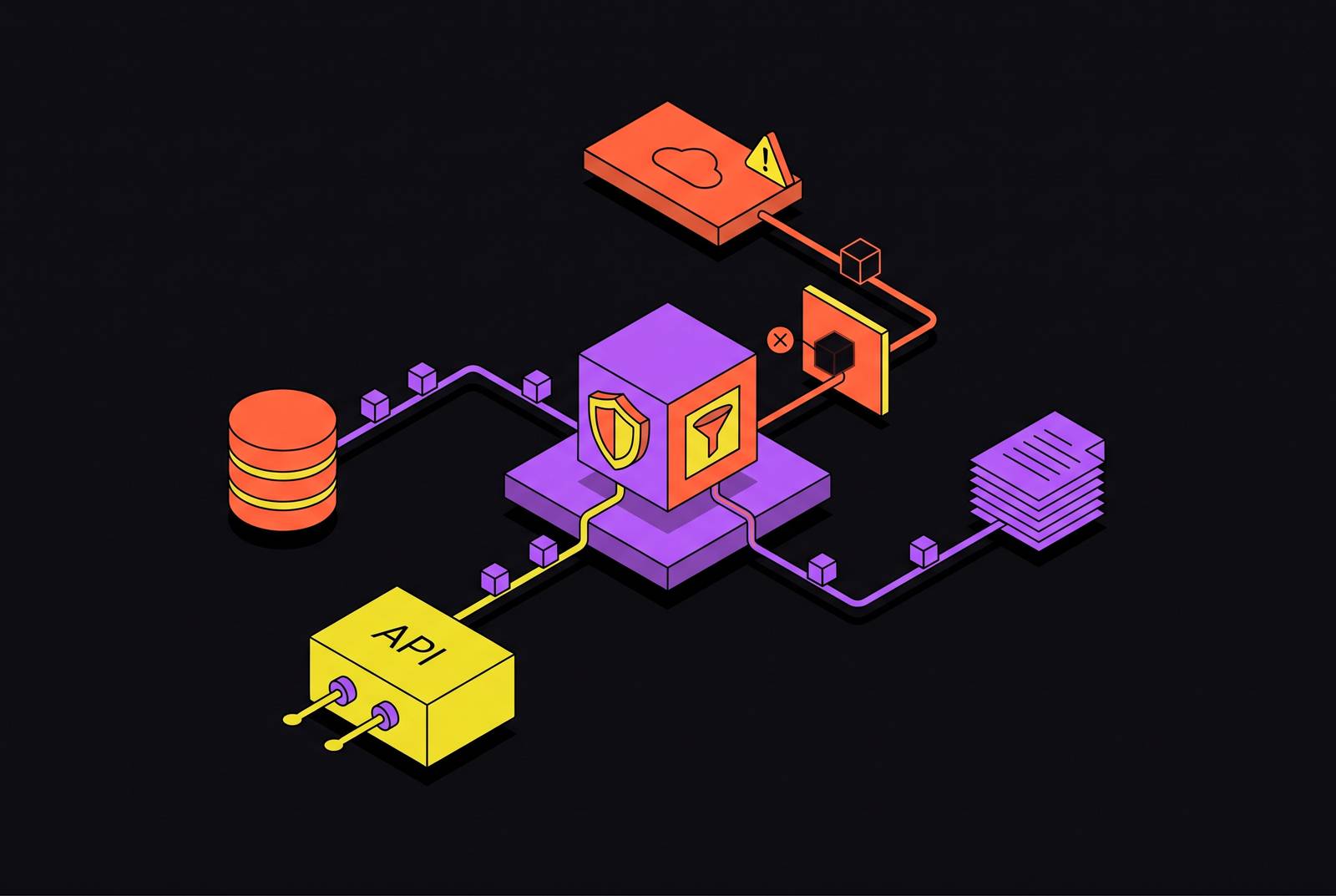
Indirect prompt injection detection in enterprise RAG pipelines depends on which retrieved documents, web pages, emails, tool outputs, and MCP responses a control actually sees. Protecting those pipelines takes a prompt filter along with checks on the content routed through them and controls on actions.
Why indirect prompt injection became the dominant enterprise AI threat
Agentic systems consume attacker-controllable content during normal work. An adversary need not reach the user or system prompt if malicious instructions can enter through a retrieved page or tool response. Unlike direct injection, this attack comes through material the agent was asked to process. The user’s request can be entirely legitimate.
That distinction became consequential when agents gained permission to browse, execute shell commands, commit code, and send email. A failure to separate content from instructions could now lead to bad answers and unauthorized action. OWASP ranked prompt injection, including both direct and indirect forms, as LLM01 in its 2025 LLM Top 10. The OWASP GenAI Exploit Round-Up for Q1 2026 documented GrafanaGhost indirect-injection exfiltration and Vertex AI Double Agent privilege abuse, grounding the risk in operational incidents.
What "third-party data source" means in an agentic pipeline and why the surface keeps expanding
A third-party source is an ingestion point with its own trust assumptions. RAG corpora include documents, knowledge bases, and scraped content returned at query time. Those collections can mix first-party material with externally written reviews and comments. IEEE S&P 2026 research on fifteen of seventeen chatbot plugins found this ingestion pattern in practice and reported that approximately 13% of e-commerce websites had exposed their chatbots to third-party content.
Other sources enter through different paths in the application. Browsing agents fetch web pages, while email and scheduling agents process message bodies, attachments, and calendar content that outside senders can write. Tool outputs and API responses re-enter the model’s context after a call, potentially importing content from external systems. Model Context Protocol servers add tool descriptions and responses from infrastructure the deploying organization may not control. Each new capability, including form-filling or CRM updates, expands the content flowing into the agent, but these ingestion categories map poorly onto tools designed primarily to inspect prompts.
How the four control layers differ in what they can see
Pipeline position determines visibility before detector quality enters the discussion. Gateway screening tools check prompts and content sent to them at an API boundary. Microsoft Azure Prompt Shields and Amazon Bedrock Guardrails occupy this layer, where coverage depends on what the orchestrator submits. A tool response that never reaches the screening interface remains outside its view.
Middleware controls sit within the application’s logic. NVIDIA NeMo Guardrails can inspect retrieval, dialog, and tool calls routed through its framework, but traffic that bypasses the framework also bypasses its controls. Action-boundary controls answer a different question before execution. They check whether a proposed action is permitted, limiting the consequences of an injection even when its text was not detected.
Pre-deployment testing is the fourth, separate layer. Scanners test a system before release but cannot check the changing third-party content it sees at runtime. These positions are complementary. A test result cannot establish live source coverage, just as a gateway verdict cannot establish that a downstream action is authorized.
Where each major tool's third-party source coverage actually stops
Prompt Shields separates user-prompt screening from document inspection. Its User Prompt Shield screens adversarial user input, while Document Shield extends inspection to retrieved or third-party material when submitted. Orchestration determines the coverage boundary. Tool outputs and MCP responses receive coverage only if the agent loop submits them in a form the shield sees. Deployment is through the Azure AI Content Safety API or a preview container.
Check Point AI Guardrails / AI Agent Security, formerly Lakera Guard and acquired by Check Point in October 2025, covers indirect injections in emails and documents, jailbreaks, and system prompt leakage. Agent Behavior Defense adds inline blocking for tool-call policy enforcement. That enforcement is not a delegated action-authorization runtime. Bedrock Guardrails, meanwhile, provides native prompt-attack filtering for submitted content, with PII and policy controls through an AWS managed service or API. Its relevant boundary remains the content submitted for inspection.
Google Cloud Model Armor screens documents, prompt injection, jailbreaks, sensitive data, malicious URLs, and harmful content across Google Cloud or external models. Supported gateway or MCP integrations add inline blocking for supported agent traffic. The REST API alone is detector-only, however, and detection remains probabilistic. The application still has to handle authorization, action policy, approvals, and recovery. Cisco AI Defense also explicitly extends protection to agent and MCP interactions, including injection, tool calls, MCP traffic, and agent discovery.
NeMo Guardrails offers configurable Colang rails around input, output, retrieval, dialog, and tool calls. Its built-in multi-turn dialog flow control is especially useful when an injection builds over several turns of a conversation. Tool-call validation and blocking are configurable, but the application retains authorization and execution responsibility. Nothing bypassing the framework receives its protection. The framework is open-source and self-hosted under Apache 2.0.
Meta Llama Prompt Guard 2 is an open-weight classifier that can inspect user prompts and retrieved data within controlled infrastructure. Classification is where its responsibility ends. It provides no blocking mechanism, tool-call control, or action enforcement. ADR, presented at MLSys 2026 and deployed at Uber, instead contributes operational evidence for detection at MCP scale. Its deliberate emphasis on precision addresses the cost of false alarms that trigger incident response, and its extended deployment with growing adoption supports production viability.
Protect AI LLM Guard’s repository was archived on July 9, 2026, after Palo Alto Networks completed its acquisition of Protect AI on July 22, 2025. It should therefore be treated as frozen and removed from active evaluation shortlists. Arcade.dev serves a different role from these detectors. Before each tool call runs, it checks the call against user permissions, agent scope, and existing or custom policies, and it can require approval for high-risk actions. Its cloud, VPC, on-premises, and air-gapped deployments provide containment.
The RAG knowledge base as the coverage gap detection tools handle least reliably
Document inspection does not establish that a RAG corpus is safe. Standard injection classifiers often examine documents in isolation and depend on explicit instruction syntax. That method misses a crucial relationship. Text that appears ordinary alone can produce injected behavior when retrieval combines it with a particular query context.
This makes corpus poisoning more subtle than hiding an imperative in a PDF. An attacker need not write an obvious command if semantically normal text can steer the model when retrieved for the intended query. Indiscriminate ingestion of reviews, comments, and scraped pages expands the places where such text can enter.
For evaluators, the inspection stage becomes a named criterion. Ingest screening and retrieval-time screening observe different circumstances, and neither label alone establishes that a detector accounts for context-dependent payloads. Does this tool inspect documents at ingest, at retrieval, or not at all, and does it account for context-dependent payloads?
Why MCP servers are the coverage gap most tools have not yet addressed
MCP introduces both tool descriptions and server responses into an agent’s trusted working context. When a Foundry agent calls a server its team did not write, no native provenance signal distinguishes an embedded malicious instruction from legitimate output. The response needs inspection before the agent processes it. A gateway sees this moment only when the orchestrator routes the response through screening.
This gap is architectural: most gateway tools have no automatic inspection path for MCP responses. Model Armor on supported integrations, Cisco’s protection, and ADR extend into this surface, but explicit MCP coverage still has boundaries. Integration choices determine which traffic any of them can inspect.
Published comparisons offer limited help at this layer. ADR-Bench includes 133 MCP servers, a notable evaluation surface because most existing benchmarks do not test there. The existence of a shield is not evidence that server responses pass through it.
The fundamental detection ceiling that no current tool architecture escapes
Even complete routing would not make classification infallible. Upstream filters must decide whether text is data or an instruction, although its role can depend on the context in which the model uses it. Abdelnabi and Bagdasarian’s 2026 paper “AI Agents May Always Fall for Prompt Injections” presents a contextual-integrity reframing with an impossibility-style argument against data-instruction separation defenses. It questions whether better classification can keep out every injection over time.
The practical weaknesses follow from that distinction. Known-pattern filters can miss new or optimization-based injections, while programmable guardrails can limit the harm even though malicious text still gets into context. Source vetting also becomes difficult for open, continuously updated corpora. Clean benchmark performance is consequently insufficient evidence for protection across noisy pages, changing documents, and multilingual content.
These limits do not make source coverage irrelevant. An uninspected response receives no benefit from a detector, however imperfect its protection might be when applied. The responsible architecture is defense in depth across multiple layers and control types. Content inspection reduces exposure, while privilege separation and action-boundary controls constrain what an undetected instruction can cause.
How regulatory pressure is converting coverage gaps into compliance obligations
For high-risk AI system operators, defenses against prompt injection through third-party content are part of that expectation. NIST AI 600-1 and the OWASP LLM Top 10 provide frameworks for documenting those defenses. They help frame the evidence regulators and auditors seek.
Coverage gaps make that evidence concrete. If RAG documents, tool outputs, or MCP responses bypass inspection, a generic statement that the system uses injection protection cannot explain those omissions. The organization must account for vendor-controlled surfaces it did not build. Third-party models, plugins, agents, and connectors therefore bring TPRM, information security, data protection, and Legal teams into the same assessment.
That work needs AI risk intelligence that goes beyond general governance checklists. Traditional TPRM processes were not built to check for indirect injection through corpora or tool servers that vendors control. Continuous monitoring of vendor AI assets addresses the fact that their content and interactions change. A point-in-time assessment cannot establish what a source will contain next quarter.
What a coverage-gap analysis looks like in practice when evaluating these tools
For a team evaluating these tools, the first step is to map actual ingestion points. The map should include RAG corpora and their ingest paths, browsing content, email and calendar bodies, API and tool responses, and MCP servers, including who controls them. Each source then needs a corresponding inspection path. Evaluators need to establish where documents cross a vendor’s control.
The next step is to trace the orchestrator’s routing for each candidate. Does it submit retrieved material, resubmit tool responses, and expose MCP replies before the agent processes them? Sources that pass through no inspection path show where the architecture has gaps. Those gaps call for the mitigations described here, including sanitization at ingest, privilege separation, and action-boundary controls, rather than an assumption that another classifier will automatically see them.
Where a tool can run can rule it out before a team compares accuracy. A managed API that sends prompts outside the organization’s boundary cannot meet the needs of systems that require sovereign, on-premises, or air-gapped processing. Pre-deployment tools such as garak, PyRIT, and promptfoo in test mode should then be assessed separately from runtime protection.
The evaluation also needs maintenance status and ongoing vendor monitoring. The threat that detection tools face keeps changing, and external corpora and server responses change whether or not the application has a new release. The practical output is a source-by-source account of what is inspected, what routing enables that inspection, and what restricts actions when detection fails. That account, rather than a feature checkbox, establishes what protection the deployed pipeline actually has.